ServicesDock Levelers
Dock Leveler Repair in McAdoo
When a dock leveler drops slowly, hangs up or leaves a lip short of the trailer bed, every load gets harder and riskier. We find the cause and fix it properly. Then we check back later and show your crew how to keep the leveler running.
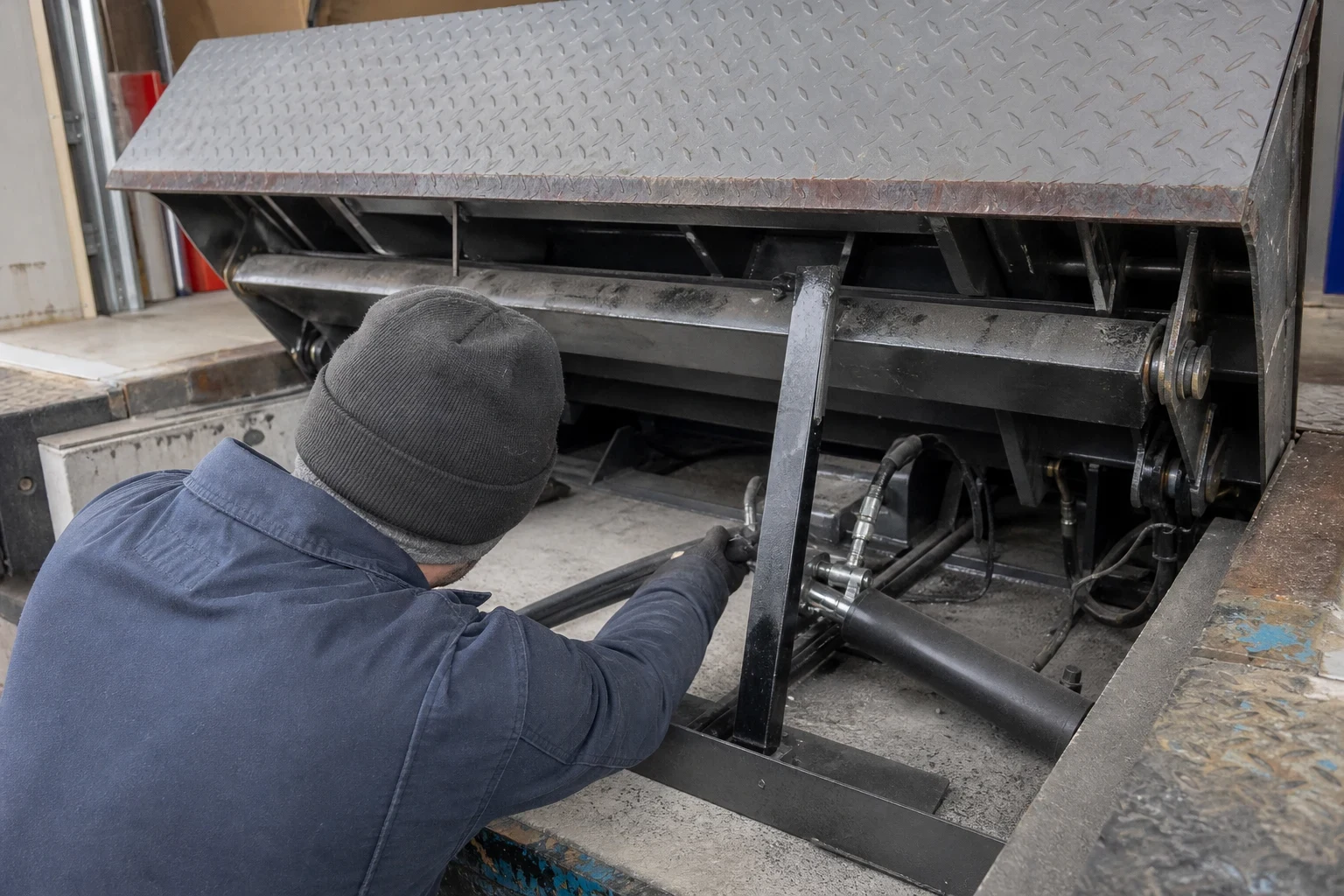
Getting your loading dock back to a safe, steady bridge
Few pieces of equipment at a facility work harder than the dock leveler. Loaded forklifts cross it all day, trailer beds show up at different heights, and the lip comes down on steel again and again each week. A sticky hinge or a weak cylinder rarely stays a minor issue. Left alone, it becomes a bent lip, a cracked weld and a door your team learns to avoid.
We service hydraulic, mechanical pull-chain and air-powered levelers, along with edge-of-dock units. The goal is simple: a deck that raises smoothly, a lip that extends fully and rests flat, and a leveler that sits level with the dock floor when it is stored.
Our work does not end the moment the leveler cycles. We check back once it has been in regular use, confirm it is still behaving, and walk your dock staff through the daily habits that keep it that way.
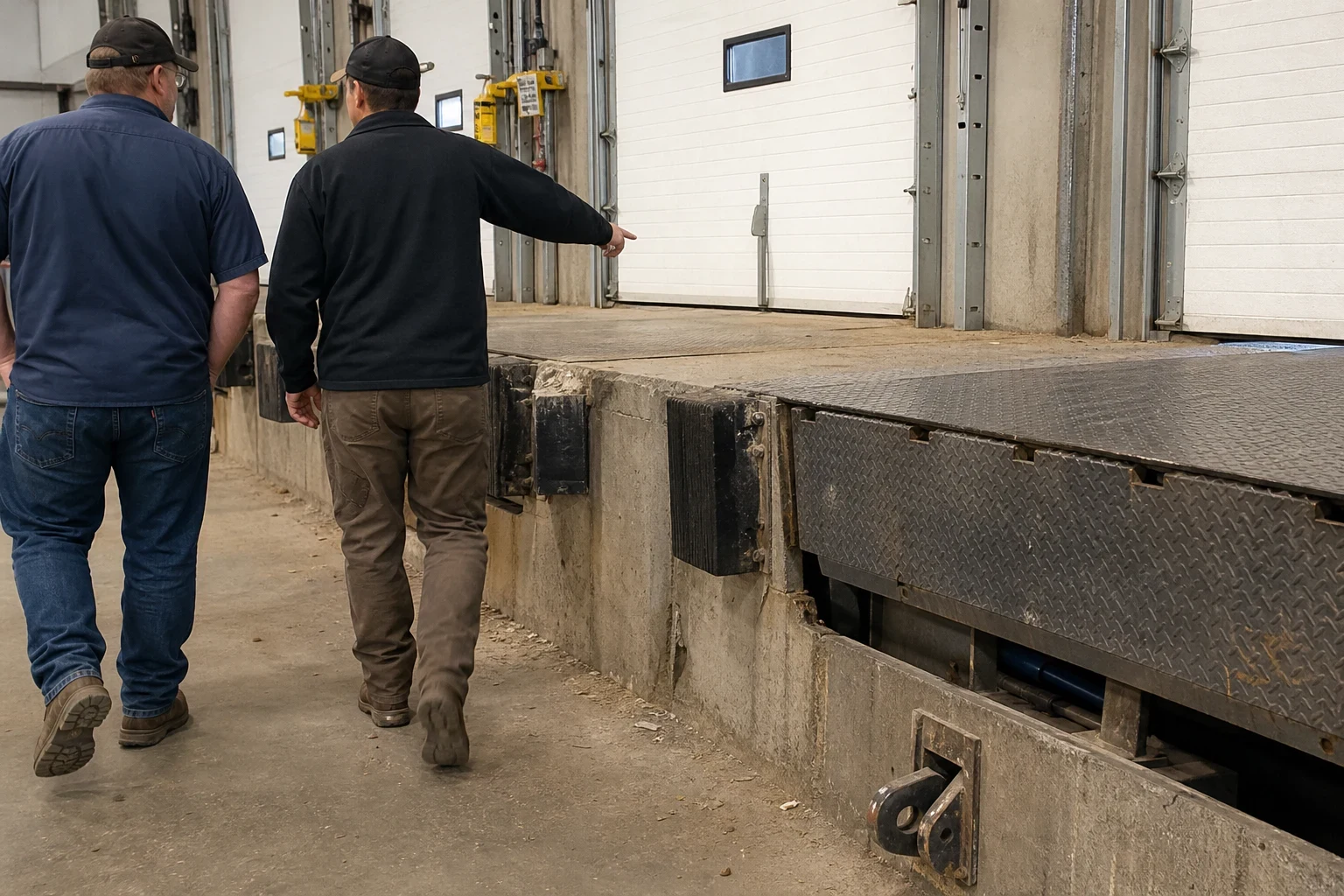
What our dock leveler service covers
- 01
Lip and hinge repair
We free up seized lip hinges, replace worn hinge pins and straighten or replace bent lips. A lip that will not extend fully is one of the most common calls we get, and it usually starts at the hinge.
- 02
Hydraulic system work
We trace leaks, replace cylinders, hoses and seals, and check the power unit and fluid. We also test the velocity fuse, the safety stop that keeps the deck from free-falling if a trailer pulls away.
- 03
Spring and hold-down work on mechanical units
Pull-chain levelers rely on lift springs and a hold-down to control the deck. We tension or swap out tired springs and service the hold-down so the deck comes up at a steady pace and stays in place under load.
- 04
Structural and weld repair
Cracked deck plates, broken welds and damaged headers get repaired or reinforced. If the steel is too far gone to repair safely, we tell you so and explain what replacement would involve.
- 05
Safety and seal checks
We inspect toe guards, the maintenance strut, dock bumpers and the weather seals around the pit. Worn bumpers in particular let trailers hammer the leveler and shorten its life.
Questions about Dock Levelers?
Call(570) 526-4929Signs your dock leveler needs attention
The lip stops short
If the lip does not extend all the way or will not drop flat onto the trailer bed, forklifts hit a ridge on every trip. That jolt damages loads and wears out the lip faster.
The deck drifts or drops
A deck that slowly sinks under its own weight, or falls faster than it should, points to a hydraulic leak, a failing cylinder or tired springs.
Oil on the pit floor
Hydraulic fluid under the leveler means a seal or hose is failing. It is also a slip hazard for anyone stepping into the pit.
Jerky or noisy cycles
Grinding, popping or a stop-and-go motion usually means dry pivots, a binding hinge or a pump struggling to keep up.
It no longer sits level
When the stored deck sits above or below the dock floor, carts and pallet jacks catch on it. That uneven edge is a trip and tip risk for your crew.
Cracks following a cold stretch
Pennsylvania winters bring salt, slush and freeze-thaw cycles that work into welds and pits. Any new crack in the deck plate or around the lip is worth a look before it spreads.
How a dock leveler repair goes
- 1
We talk it through by phone
You tell us what the leveler is doing and which doors are affected. We plan a visit around your receiving and shipping schedule so the work causes as little downtime as possible.
- 2
Inspection and a clear answer
On site we lock out the leveler, support the deck on its maintenance strut and inspect the hinges, cylinders, springs and welds. We show you what we found and give you a written estimate before any work starts.
- 3
The repair
We make the repair, keep the work area taped off from forklift traffic and clean up the pit when we finish. Then we cycle the leveler several times with you watching to confirm it raises, extends and stores correctly.
- 4
Care tips and a check-back
Before we leave, we show your dock staff a few simple habits, like keeping the pit swept and storing the leveler fully. Once the leveler has seen some regular use, we check back to make sure it is still working the way it should.
What drives the price of a dock leveler repair
No two levelers or docks are alike, so we set a price after we've looked at the job. Your written estimate lists every part and the labor separately, so the cost is clear before work begins. These are the usual reasons the total goes up or down.
- Which kind of leveler you have
- Mechanical, hydraulic and air-powered levelers each have their own parts and service time. Parts for some older or discontinued models take longer to track down.
- The part that broke
- Swapping a hose or a hinge pin takes less work than rebuilding the power unit or fitting a whole new lip assembly.
- Shape of the pit and steel
- A bent deck, split welds or a damaged pit curb mean extra fabrication. These often only show up after the deck is raised and propped.
- Working around your schedule
- Early or late hours, or servicing several doors on one trip, can change how labor is planned. We go over the choices with you so the timing suits your loading schedule.
Common dock leveler questions
Our leveler is old. Should we fix it or buy a new one?
Plenty of older levelers are good candidates for repair, particularly when the frame and deck are still in solid shape. Heavy cracking in the steel or parts that can't be found anymore can tip the decision toward replacement. You get a straight answer from us, and if a new unit makes more sense, our loading dock equipment installation service takes care of it.
Can our other doors keep running while you work on one leveler?
Usually they can. We close off just the door under repair and mark the area so forklifts stay away, leaving the rest of your doors in use.
Our leveler is fine in summer. Why does it struggle in winter?
Cold weather thickens hydraulic fluid, which slows the pump and cylinders. Ice and caked-on salt can also lock up the lip hinge. We check the fluid, clean around the hinge and can recommend a few adjustments that help during the cold months.
What daily habits keep a leveler in good shape?
Sweep debris out of the pit, store the leveler all the way down with the lip resting in its keepers, and speak up early about any new sound or drifting. We cover these steps on site when the repair is done, then check back later to see how the leveler is doing.
Can you look at the doors and restraints at the same position?
Yes. Levelers, overhead doors and vehicle restraints tend to wear out together, so we can check the whole dock position on one trip. Our loading dock preventative maintenance visits cover all three on a set schedule.
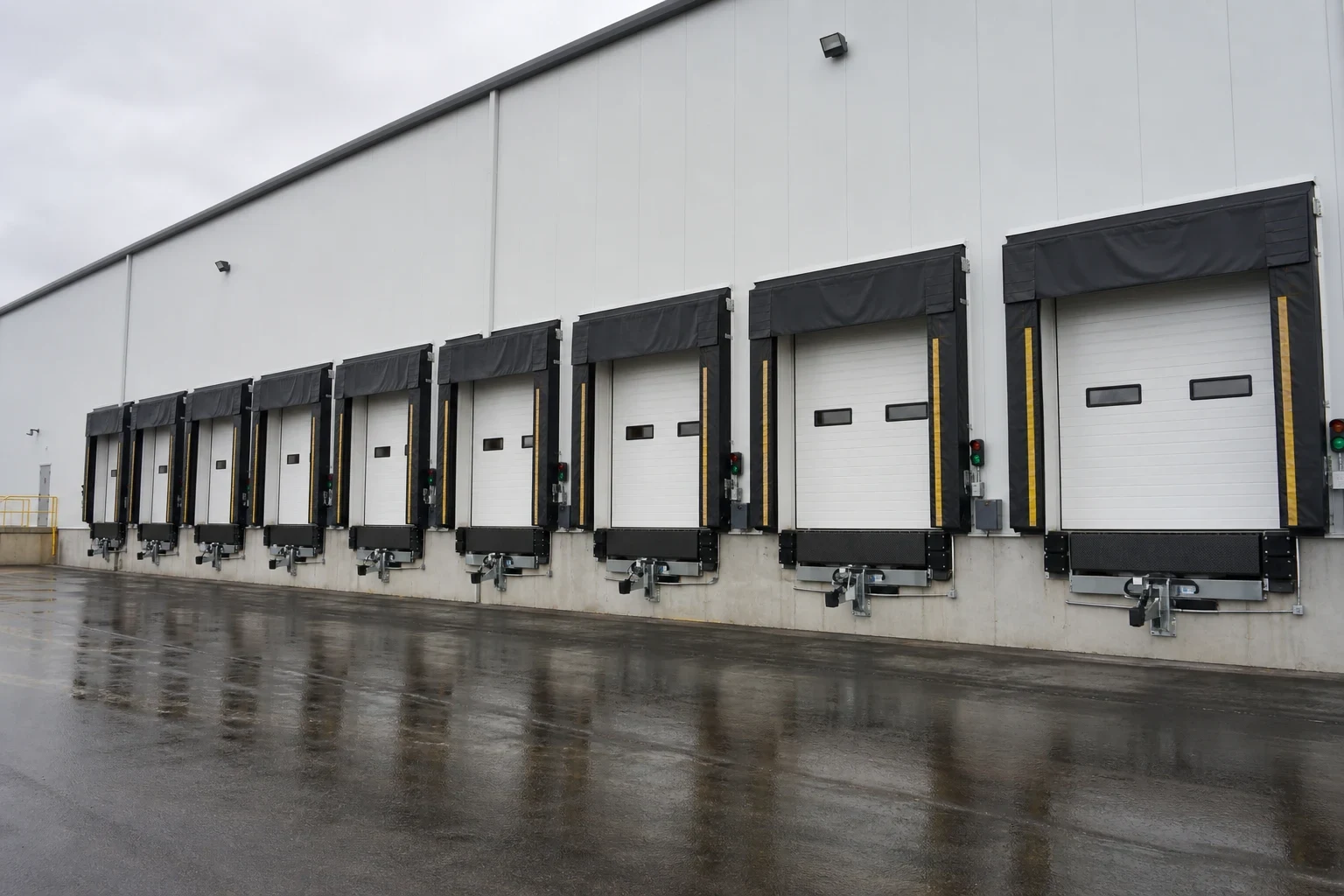
Ready to fix the leveler your crew keeps working around?
Tell us which door and what the deck is doing. We will set a time that fits your schedule, explain what we find and check back after the work is done.