ServicesPreventative Maintenance
Loading Dock Preventative Maintenance in McAdoo
We inspect, lubricate and adjust your dock levelers, overhead doors, vehicle restraints and seals on a schedule that fits your shipping days. You get a written report of what we found, small fixes before they turn into breakdowns, and a check-in once the work is done to confirm everything still runs right.
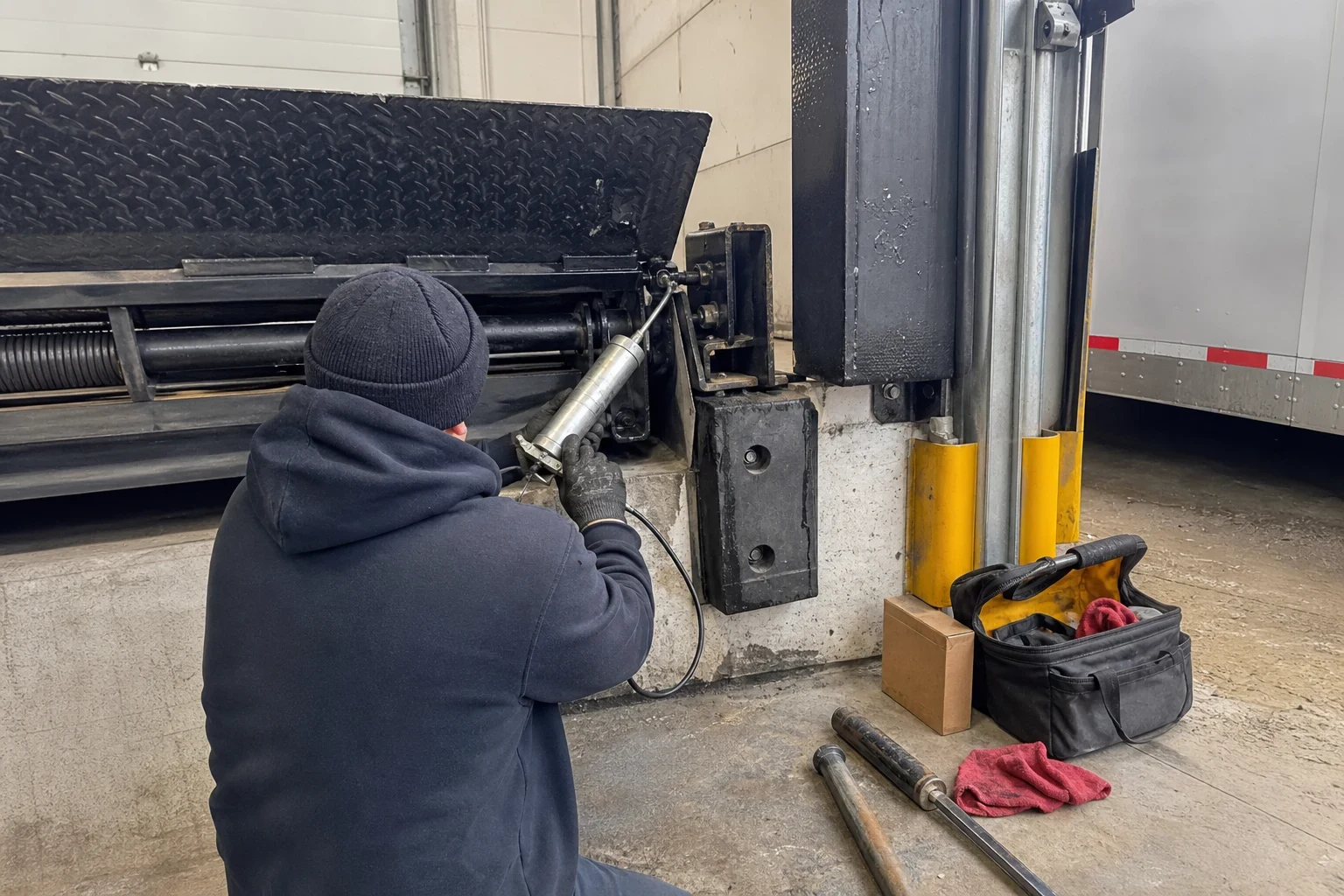
Catch the small problems while they are still small
Most dock breakdowns start as something minor: a hydraulic leak that weeps for weeks, a lip hinge that grinds, a door spring that has slowly lost tension. Preventative maintenance means a technician looks at every piece of dock equipment at regular intervals and deals with that wear before it stops a trailer from unloading.
Facilities that move trucks daily get the most out of it, warehouses and distribution centers above all, since a single stuck leveler can stall an entire receiving shift. Through a Pennsylvania winter, trailers drag salt and slush onto the dock, which speeds up corrosion in the pit, so a visit before the cold sets in and another in spring pays off.
Once the visit wraps up, we check back with your team, walk through what we adjusted and explain the simple daily habits that keep equipment running between visits.
What a maintenance visit covers
- Dock levelers
- We check hydraulic fluid, hoses and cylinders, or springs and hold-downs on mechanical units, along with the lip, hinge pins and toe guards. Moving parts get lubricated, and we cycle the leveler to confirm it rises, extends and stores the way it should.
- Overhead doors
- Springs, cables, rollers, tracks and bottom seals are inspected and adjusted. We test door balance and the safety reversal so the door stops and backs off when something is in its path.
- Vehicle restraints
- We test hook or barrier engagement, the inside and outside communication lights, and any interlocks tied to your leveler or door. A restraint your drivers and dock crew can trust is the point of the whole system.
- Seals, shelters and bumpers
- Worn bumpers let trailers hit the wall, and a split dock seal leaks heat out and rainwater in. We record the wear and tell you straight which pieces can hold for now and which should be swapped soon.
- High speed doors and rolling grilles
- If your facility has them, we check sensors, curtains or slats and the drive system during the same visit.
- A written report
- You get a list of every dock position and door, what we found, what we fixed on the spot and what needs attention later, with photos where they help.
Signals that your dock equipment is due for a look
A deck that sinks or tilts
When a loaded forklift drives onto the deck and it dips, or one corner rises before the other, low hydraulic fluid, a tired cylinder or weakened springs are the usual culprits.
Oil pooling in the pit
Oil under the deck, even a thin film, means a seal or hose is giving out. It also makes the pit slick and dangerous for anyone working nearby.
A door that grinds or stalls
Scraping, slamming or a pause partway up typically comes from dry rollers, a cable beginning to fray or a spring losing its strength.
Restraint lights that disagree
If the driver sees a go signal outside while the dock crew sees a locked trailer inside, the restraint can't be relied on. Handle it as a safety issue and have it checked before another trailer backs up.
Daylight around the trailer
Openings between the seal and the trailer let warm air out and let rain and snow blow in across the dock floor.
Nobody knows when it was last serviced
When there's no record of the last inspection, an initial visit gives you a starting point and the beginning of a service log you can build on.
What happens on a maintenance visit
- 1
Timed around your trucks
When you call, we talk about how many dock positions and doors you have and pick a time away from your busiest receiving hours. We work on one position at a time so the rest of the dock stays open.
- 2
Lockout, inspection and adjustment
The technician locks out each unit before touching it, then inspects, lubricates and adjusts it. To finish, the unit is cycled to confirm it runs normally.
- 3
A walkthrough before we leave
We go over our findings with your manager or maintenance lead. Anything beyond a routine adjustment gets an honest repair-or-replace recommendation, and we do no added work without your approval.
- 4
A check-in after the visit
Shortly after we finish, we reach out to confirm everything runs right and to answer questions from your staff. We also leave simple care notes, like keeping pallet scraps out of the pit and reporting a restraint light problem the same shift.
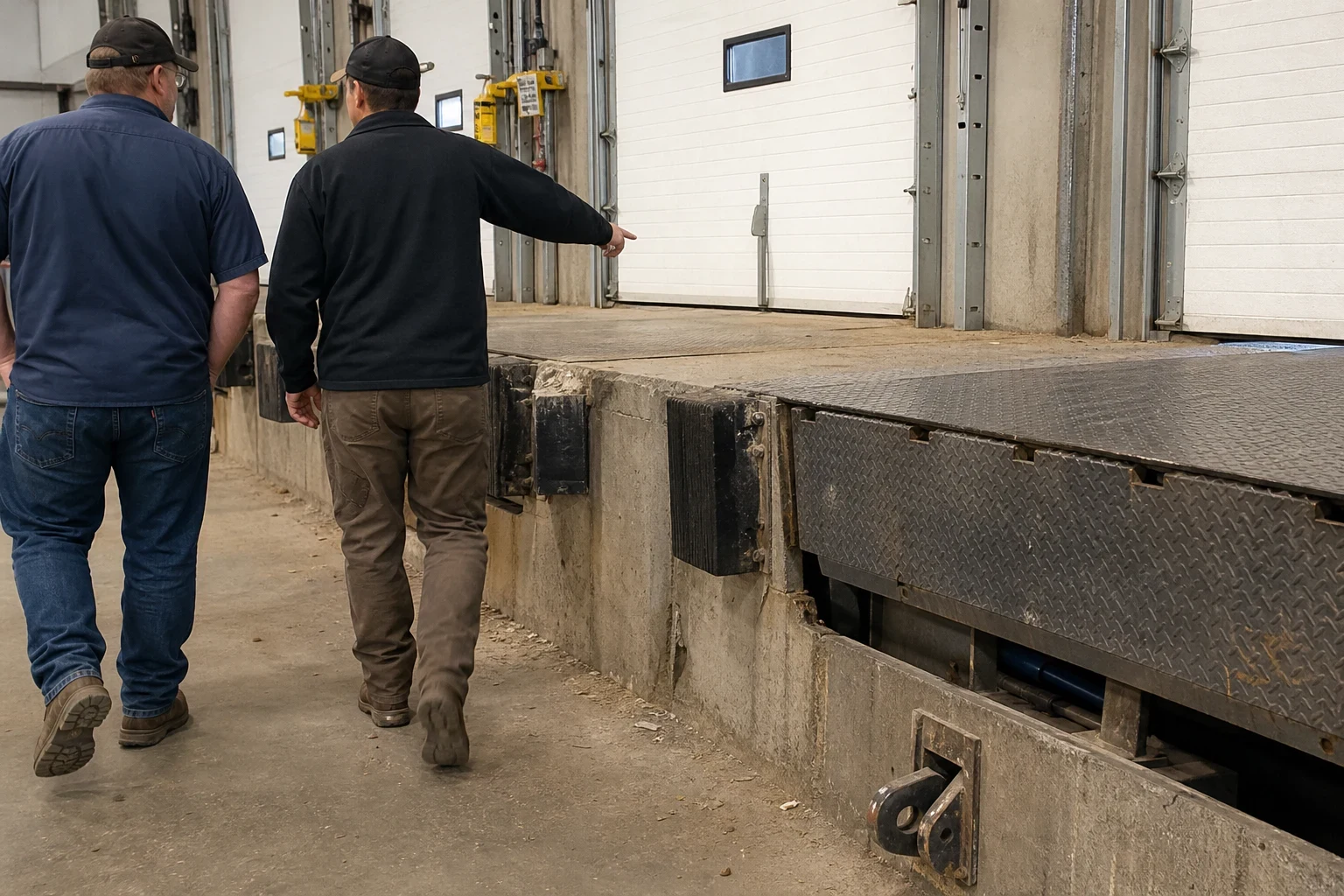
What affects the cost of preventative maintenance
Pricing depends mostly on how much equipment you have and how often you want it serviced. We give you a written line-item estimate before work begins, so you know exactly what each visit covers. Repairs found during a visit are quoted separately, and we ask before doing any of them.
- Number of positions and doors
- A grocery store with two receiving doors is a short visit. A distribution center lined with levelers, doors and restraints takes considerably longer.
- Equipment type and age
- Hydraulic and mechanical levelers have different service points. Older units can need more time and harder-to-find parts.
- Visit frequency
- High-traffic facilities often do best with quarterly service, while lighter-use docks may only need two visits a year. How often you want us out changes the yearly total.
- Condition at the first visit
- A dock that has gone years without attention usually needs more adjustment and some parts the first time. Later visits tend to go quicker.
- Scheduling window
- Off-shift work, or splitting a large dock across several days to keep doors open, can change the time involved.
Questions facilities ask about dock upkeep
Something not covered here? (570) 526-4929
How frequently should our dock equipment be serviced?
It depends on how many trucks you see and how hard the equipment works. Busy facilities often choose a visit every quarter, while docks with lighter traffic usually get by with two a year. Once we've done a first visit, we suggest a schedule based on the condition we find.
Does a maintenance visit close our dock?
No, not the whole thing. We take one door or position at a time and time the work around your receiving hours, so trucks keep unloading at the other doors.
What if you find a problem that needs a repair?
We point out the problem, with photos where they help, and tell you whether it needs fixing now or can wait. Repairs get their own written quote and only go ahead after you approve them. Minor adjustments that belong to the visit we just take care of.
Do you service more than one brand of equipment?
Yes. Levelers, doors and restraints from different makers have largely the same service points. Share the makes and models when you call, and the technician will bring the right parts and lubricants.
Do you work outside McAdoo?
We do. Facilities in Hazleton, Tamaqua, Freeland, Mahanoy City and nearby towns are on our maintenance schedules too.
How can our crew help between visits?
Sweep out the leveler pit, speak up about oil on the dock floor, and don't load at a restraint whose lights don't match. Each visit ends with written care notes, and we review them on our follow-up call.
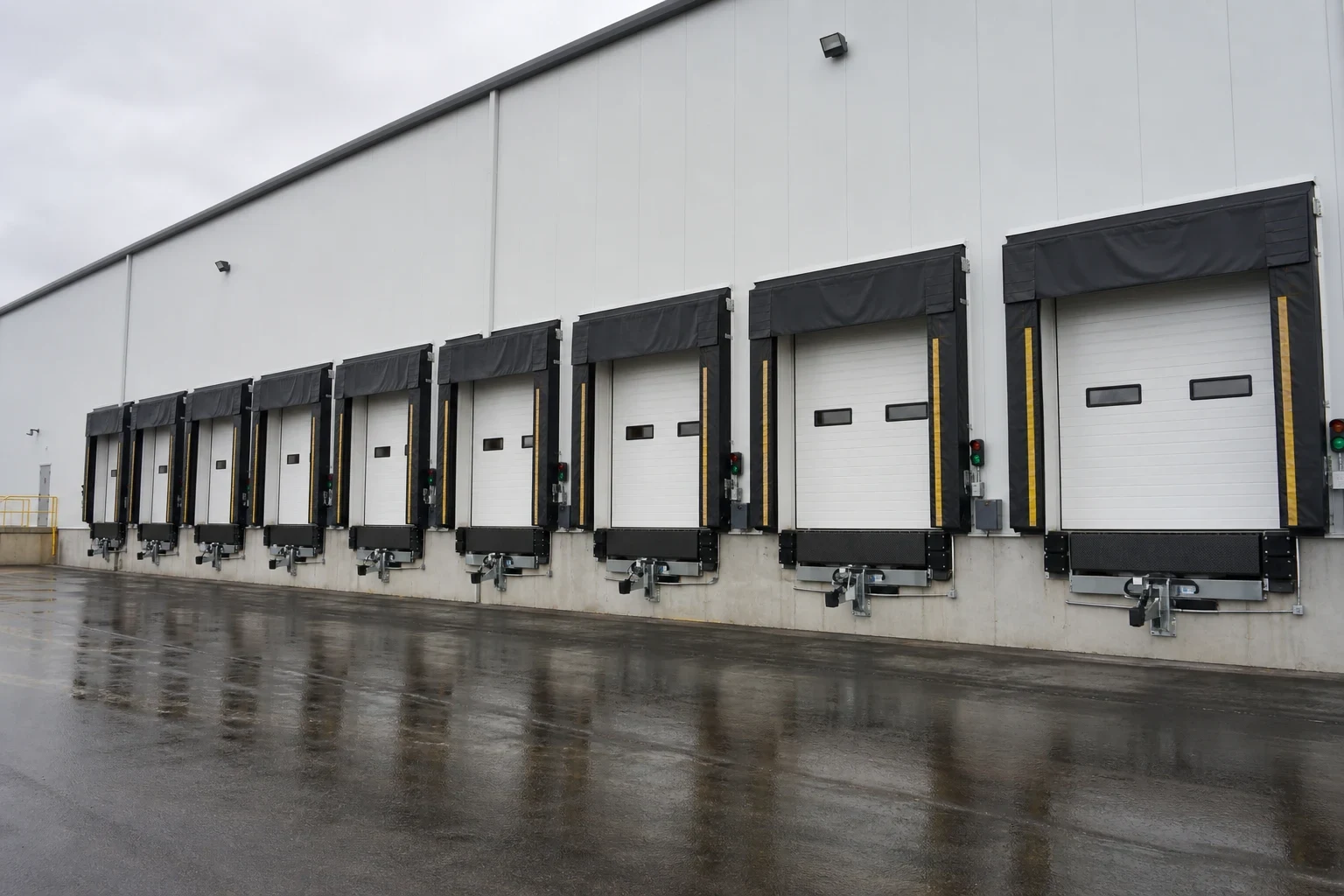
Get your dock on a regular service plan
Let us know how many dock positions you have and what equipment sits at each one. We'll schedule around your trucks and follow up afterward to confirm it's all holding up.