ServicesVehicle Restraints
Vehicle Restraint Repair in McAdoo
When a restraint won't engage, flashes the wrong light or lets a trailer creep, your dock crew is working on guesswork. We find the cause, repair or replace what's needed, test it with a real trailer and come back later to confirm it's still holding.
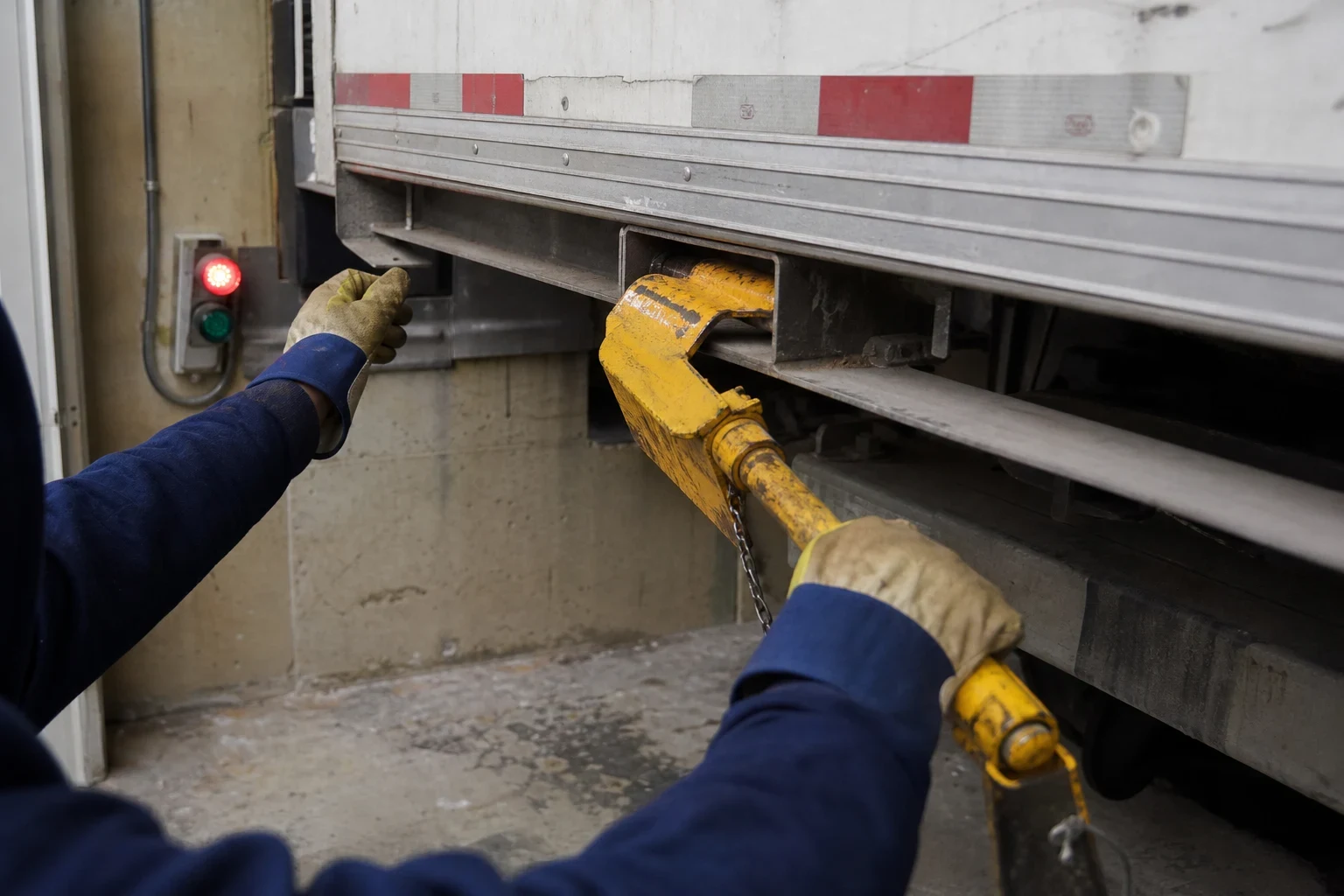
What a Vehicle Restraint Does and When to Call Us
A vehicle restraint holds a trailer against the dock while forklifts drive in and out. Most grab the trailer's rear impact guard with a rotating hook or barrier. Others lock onto a rear wheel. Either way, the job is the same: stop early departures and trailer creep, the two things behind many of the worst loading dock injuries.
If your restraint is slow, noisy, skipping its light sequence or being bypassed because it's unreliable, that's the time to call. We work on mechanical, hydraulic and electric units, and we'll tell you straight whether a repair makes sense or the unit has reached the end of its life.
After the work is done, we don't just leave. We check back to see how the restraint is behaving under your real traffic, and we show your team what to watch for between visits.
What Our Vehicle Restraint Service Covers
Full engagement check
We run the restraint through complete cycles with a trailer at the door. We watch hook height, holding force and how it releases.
Hook, barrier and wheel restraint repair
We replace worn hooks, springs, carriages, cylinders and motors. On wheel-based units we repair the arm, the track and the sensors that confirm a wheel is captured.
Signal lights and alarms
Your driver and your forklift operator each depend on a light to know whether the trailer is secured. We repair failed lamps, control boxes and alarms so the signal always matches what the restraint is really doing.
Interlocks with doors and levelers
Many docks tie the restraint to the overhead door and dock leveler so nothing operates out of order. We troubleshoot and rewire those interlocks when the sequence breaks down.
New restraint installation
When repair isn't worth it, we install a replacement suited to your trailers and traffic. Our Loading Dock Equipment Installation page covers how we handle larger projects.
Care walkthrough
Before we leave, we show your staff the daily checks that catch trouble early, like clearing debris from the track and confirming the light sequence at shift start.
Signs Your Vehicle Restraint Needs Attention
The hook doesn't rise all the way
A hook that stops short may not catch the rear impact guard securely. That's often a weak spring, a worn carriage or a failing motor.
Lights show green with no trailer locked
A false green is a serious safety problem. It usually points to a bad sensor or wiring fault, and it should be looked at before the next load.
Crews have started bypassing it
When a restraint is unreliable, people find ways around it. If your team is using override switches or skipping it altogether, the unit needs repair.
Rust, leaks or grinding
Winter road salt carried in on trailers eats at restraint housings and tracks. Corrosion, hydraulic fluid on the drive or grinding noises mean parts are wearing out faster than they should.
Trailers it can't catch
Damaged or nonstandard rear guards can leave a hook with nothing to grab. If that's happening often, a wheel-based restraint may be the better fit.
How a Restraint Repair Visit Goes
- 1
A phone conversation first
You tell us what the restraint is doing, which doors are affected and when your dock is quietest. We schedule around your shipping and receiving so downtime stays low.
- 2
Inspection at your dock
Our technician cycles the restraint, checks the controls and inspects wear parts. You get a clear explanation of what we found and what we recommend.
- 3
Repair and live testing
We make the repair, then test with a trailer in place, checking engagement, lights, alarms and any door or leveler interlocks.
- 4
Walkthrough and follow-up
We walk your team through simple care steps. Then we check back after the restraint has seen regular use to make sure it's still working the way it should.
What Affects the Cost of Restraint Work
Every restraint job is priced on what we find at your dock. We explain the options before any work starts, so you know what you're approving. These are the things that move the number most.
- Type of restraint
- A manual hook, a powered hook and an automatic wheel restraint each have different parts and labor involved. Hydraulic units add cylinders, hoses and fluid to the picture.
- Extent of the damage
- Replacing a sensor is a small job. A hook bent by a trailer pulling away, or a housing rusted through, takes more time and parts.
- Controls and interlocks
- Fixing wiring between the restraint, the overhead door and the dock leveler can add hours, especially on older docks with past modifications.
- Number of doors
- Servicing several restraints in one visit is more efficient than separate trips. Adding them to a Loading Dock Preventative Maintenance plan helps spread the work out.
Vehicle Restraint Questions
Something not covered here? (570) 526-4929
Should we repair our restraint or replace it?
If the frame and housing are sound, a repair usually makes sense. When corrosion has reached the structure, parts are no longer available or the unit can't catch the trailers you see most, replacement is often the better value. We'll give you an honest answer either way.
Will a hook restraint work with every trailer?
Not always. Hook restraints depend on the trailer's rear impact guard, and some trailers have damaged, missing or unusual guards. If that's common at your facility, we can talk through a wheel-based restraint that doesn't rely on the guard.
Do you work on restraints you didn't install?
Yes. We service restraints already in place at your dock. We'll look at the make and condition before recommending parts or repairs.
How long will our door be out of service?
Many repairs are finished in a single visit. Larger jobs, like a full replacement, take longer, and we plan them around your schedule so the dock stays as available as possible.
What happens after the repair is done?
We show your staff the quick daily checks that keep the restraint reliable. Then we follow up after it's been in regular use to confirm it's still engaging and signaling correctly.
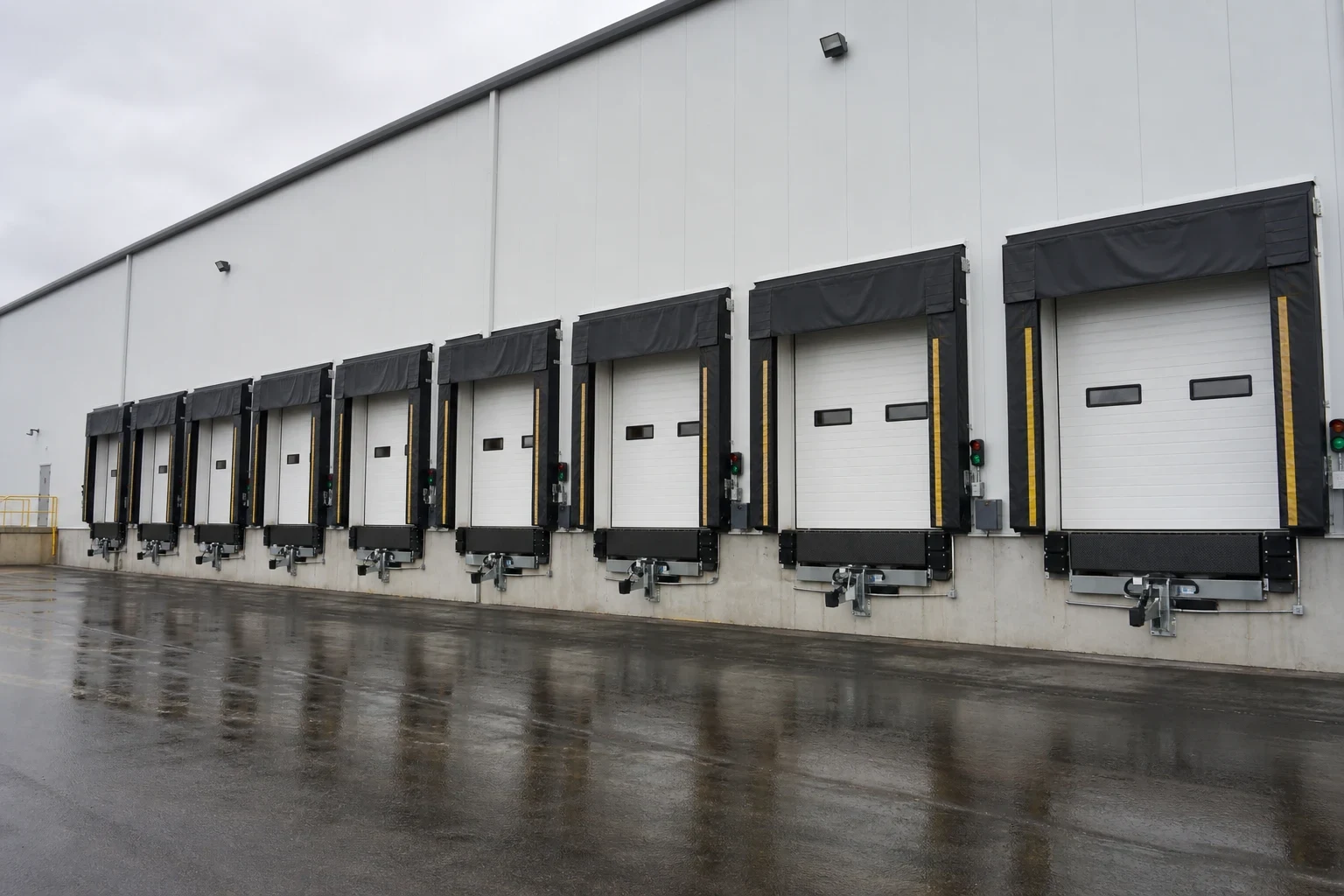
Get Your Restraint Holding Trailers Again
Tell us what your vehicle restraint is doing and we'll set up a visit that fits your dock schedule. We serve McAdoo, Hazleton, Tamaqua and the surrounding area.