ServicesEquipment Installation
Loading Dock Equipment Installation in McAdoo
We install dock levelers, vehicle restraints, overhead doors and related dock equipment so your receiving door works safely from the first truck. We plan around your shipping schedule, test everything with your crew, then come back to check how it is holding up.
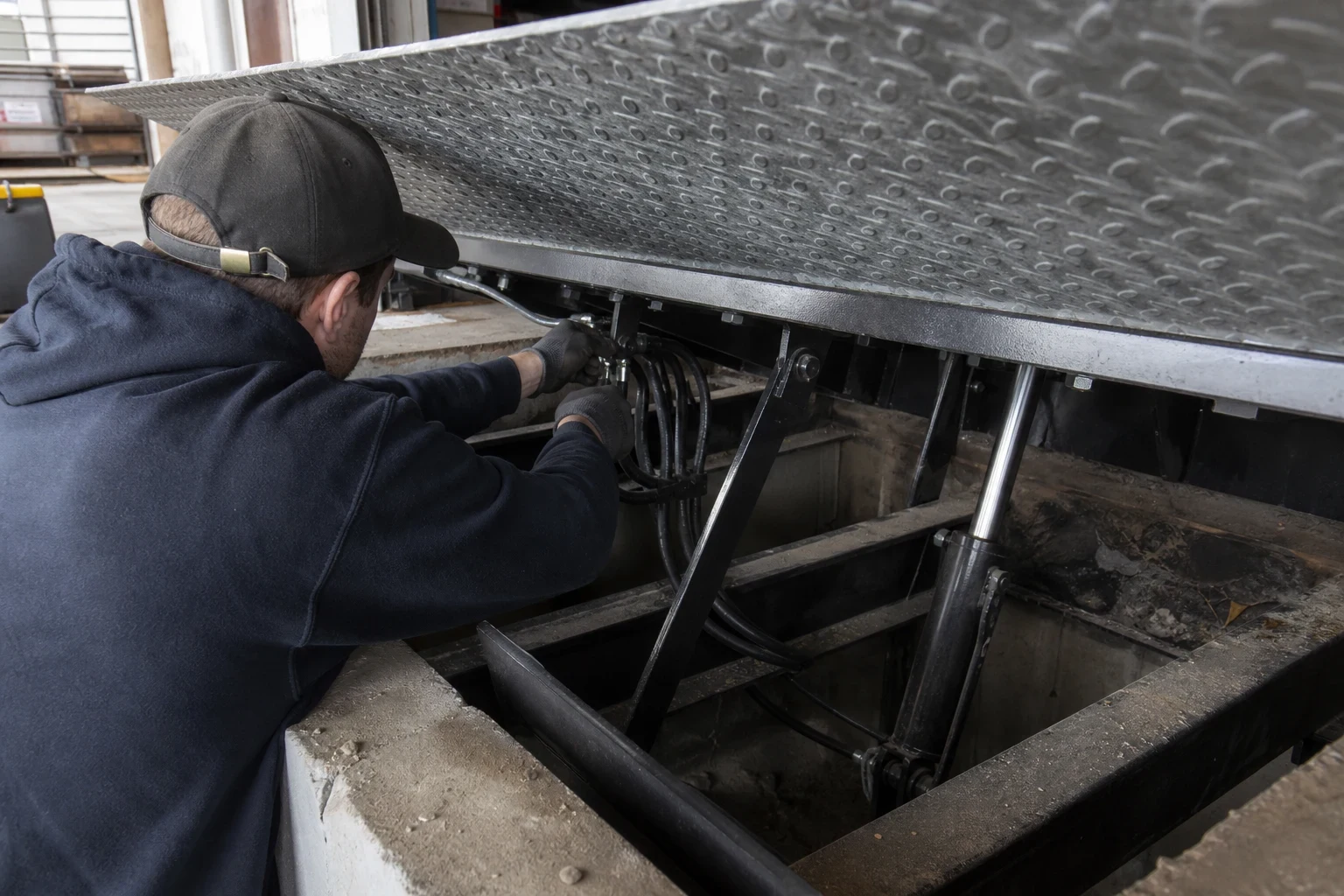
Dock equipment put in to match how your dock actually works
How well a new leveler or restraint works depends on how it is installed. The pit must be square and sound, anchors must bite into good concrete, and the controls must be linked so a door can't open unless the trailer is locked. When newer equipment gives trouble, a hurried install is usually to blame, not the equipment itself.
We install for warehouses, distribution centers, manufacturers and stores with receiving docks in McAdoo and close-by towns such as Hazleton, Tamaqua and Freeland. That can mean swapping worn equipment into a pit you already have, adding a restraint to your current leveler or outfitting a brand new dock position.
Tightening the final bolt isn't the finish line for us. Your operators get a walk-through of the new equipment and simple care notes, and we come back once it has handled a few weeks of trailers.
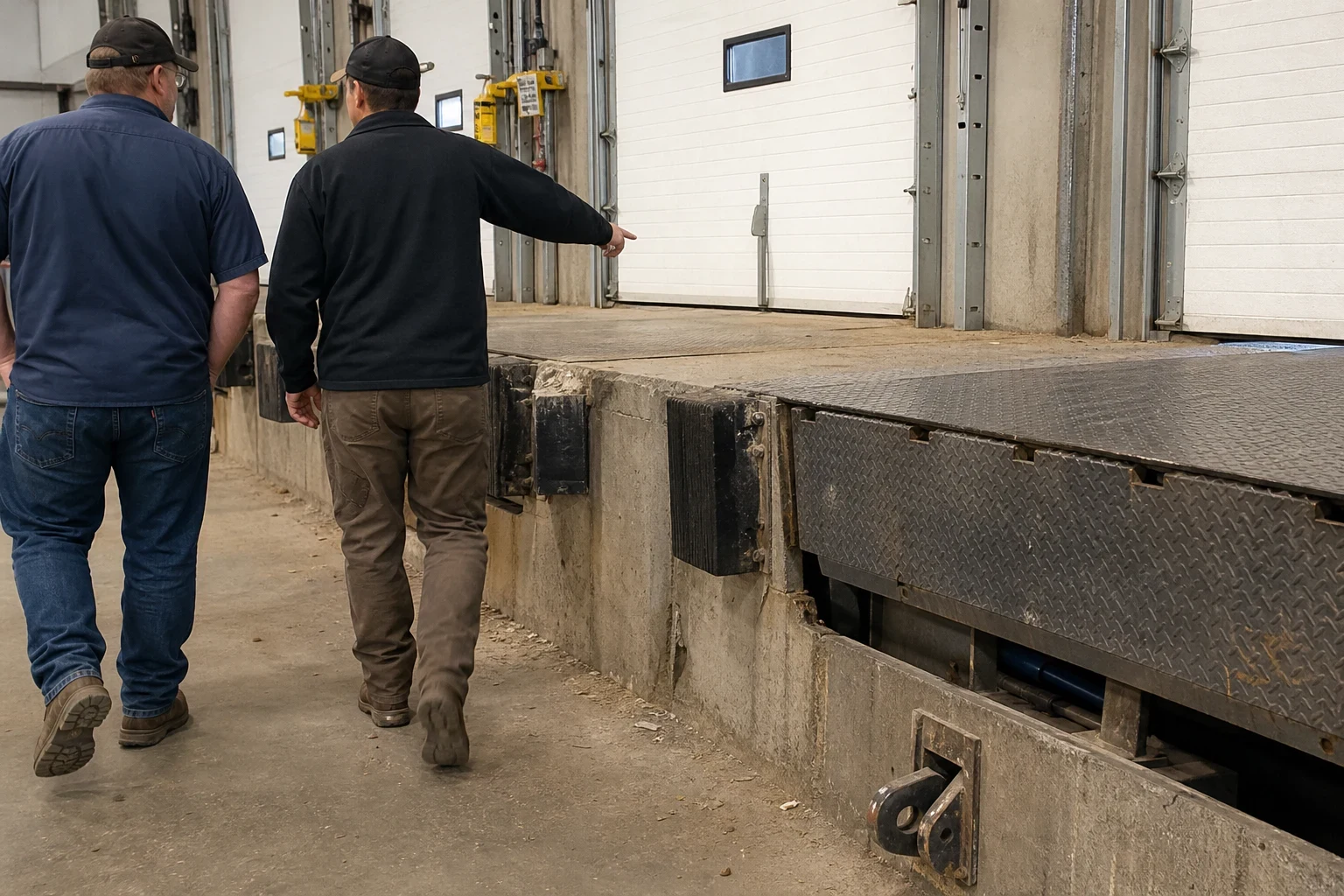
What an installation includes
- 01
Site survey and measurements
We measure the pit, dock height, door opening and the trailers you usually see. That tells us which leveler length and capacity, restraint style and door fit your dock needs.
- 02
Removal of old equipment
If something is coming out, we disconnect it safely, remove it and haul it away so your dock is not left storing scrap.
- 03
Pit and concrete prep
We check curb angles, embedded steel and the pit floor before anything is set. Cracked or crumbling edges get repaired first, because a leveler anchored to weak concrete will work loose.
- 04
Setting, anchoring and wiring
Equipment is leveled, shimmed, welded or anchored, and wired to its controls. Where a restraint, leveler and overhead door share a position, we set up the interlocks so they operate in the right order.
- 05
Testing and operator walk-through
We cycle everything under real conditions, ideally with a trailer at the door. Then we show your operators the controls, the safety features and what normal sounds and movement look like.
- 06
Care notes and a check-back
You get written care notes for the specific equipment we installed. A few weeks later we follow up to look for loose anchors, adjustment drift or anything your crew has noticed.
Questions about Equipment Installation?
Call(570) 526-4929When it may be time to replace dock equipment
The same repairs keep returning
If one leveler or restraint needs a service call every few months, replacing it may be the better use of your money. We'll tell you honestly whether to repair or replace.
Your trailers outgrew the dock
Trailer beds sitting higher or lower than your leveler was built for create steep grades, scraped lips and tougher runs for forklift drivers.
Nothing holds the trailer in place
When your dock depends on wheel chocks alone or on what the driver says, a vehicle restraint gives you a positive lock plus a light signal both sides can read.
Rust and worn-out decks
Split welds, a deck that sags or a frame eaten by rust are safety problems. On a lot of docks, road salt carried in on tires each winter makes it happen faster.
Your operation is growing or changing
Adding a dock position, moving heavier loads or running more door cycles per shift can push past what was put in years ago.
How an installation day runs
- 1
Walk the dock with you
We visit, measure and talk through how the dock is used each shift. You get a written line-item estimate that shows the equipment, prep work and any electrical.
- 2
Schedule around your trucks
We choose dates with you and, when the layout allows, close only the door we are fitting while your other doors stay open for deliveries. You will know ahead of time which door is down and roughly for how long.
- 3
Install and protect the area
We cordon off the work zone, keep the aisle clear for your forklifts and clean up debris as we go. Concrete repair, setting, welding and wiring follow in order.
- 4
Test and hand over
Everything is cycled and adjusted before we leave. Your operators get a short walk-through and the care notes stay at the dock.
- 5
Follow up
We check back after the equipment has seen regular use, make any small adjustments and answer questions your crew has collected. Many customers then move onto loading dock preventative maintenance to keep it that way.
What moves the cost of an installation
Every dock is a little different, so we price installations after seeing the site. The equipment itself is only part of the number. Your estimate lists each item so you can see where the cost comes from.
- Type and capacity of equipment
- Mechanical and hydraulic levelers differ in price, and so do restraint styles. Higher capacity and longer decks cost more.
- Condition of the pit and concrete
- A clean, square pit is simple. Broken curbs, poor drainage or a pit that needs reshaping add concrete work.
- Electrical and controls
- Hydraulic units, powered restraints and interlocked doors need power and control wiring. Existing service nearby keeps this simpler.
- Number of positions and scheduling
- Several doors done together can be more efficient, while working around tight shipping windows may stretch the schedule.
Common installation questions
Will a new leveler fit the pit we already have?
Many times it will. We start by measuring the pit and checking the concrete and embedded steel. If the size is off or the pit is in bad shape, we tell you what fixing it involves before you decide.
Does the whole dock have to close?
Generally no. When possible we phase the job so only the door getting new equipment is down while the others keep receiving. We settle the schedule with you before we begin.
Can a vehicle restraint be added to the leveler and door we have now?
Often it can. We check the approach, the dock face and your controls, then set the restraint up so its lights and interlocks work together with your current overhead door and dock leveler.
Will you show our staff how to use the new equipment?
Yes. Before leaving, we take your operators through the controls, the safety features and the daily checks, and we leave written care notes at the dock.
What happens once the installation is done?
After the equipment has seen regular traffic, we check back. We look for loose anchors, settings that have drifted and anything your crew has spotted, and we take care of small issues on the spot.
Can you help us pick the equipment too?
Yes. Our loading dock equipment sales page explains how we match levelers, restraints and doors to your trailers and traffic.
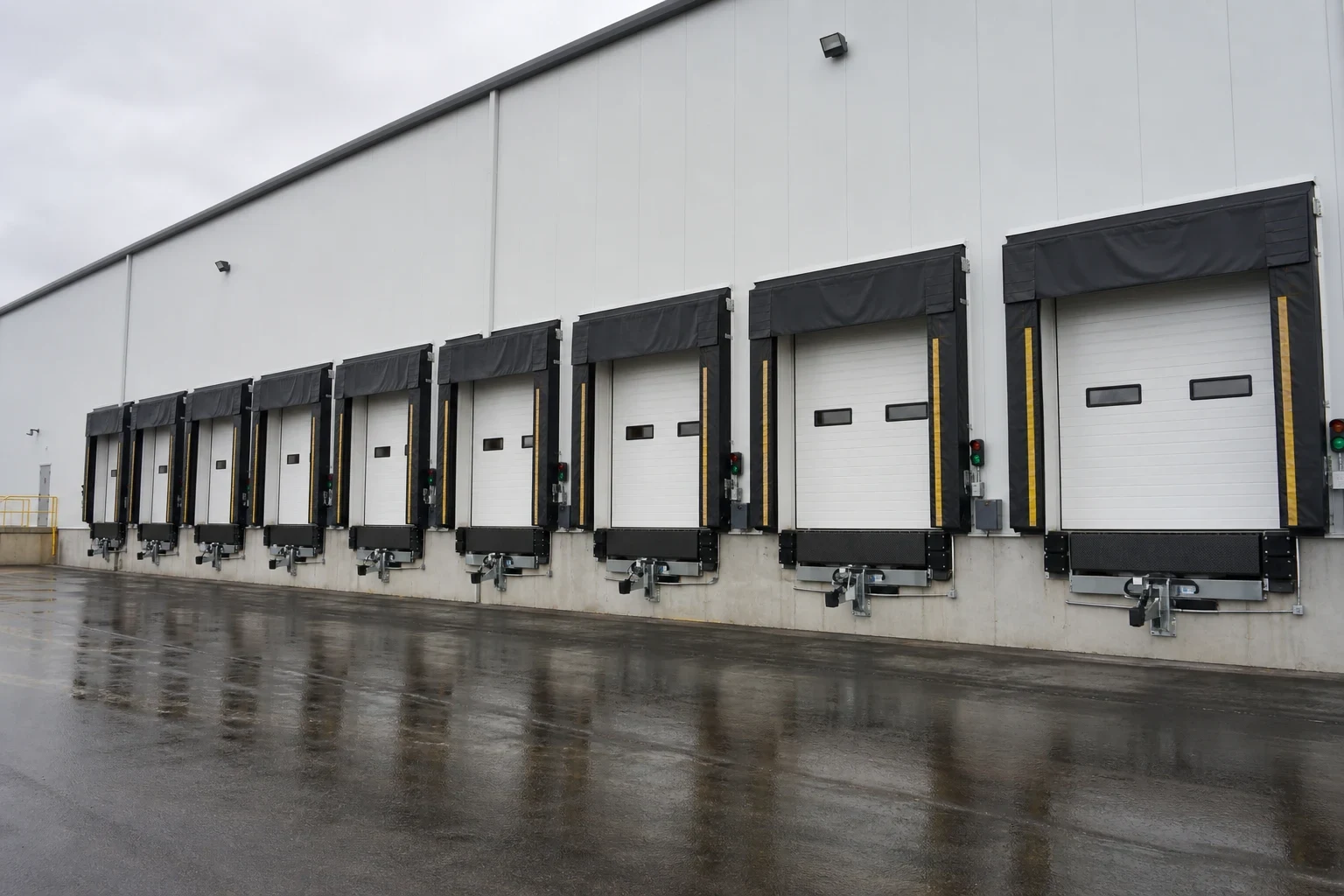
Ready to plan your new dock equipment
Tell us what is at your dock now and what you need it to do. We will set up a visit, measure, and walk you through the options and the schedule.